
Florida Woman Wins Monopoly Lottery: 6 Powerful Lessons From Her Lucky Break
Imagine stopping at a gas station to buy a drink or fill your tank. While paying, you grab a scratch-off ticket from the counter. A few minutes later, you scratch it in your car. Suddenly, the numbers match and the prize is millions of dollars. That sounds like a dream, but for several people in Florida, it recently became reality.
Stories where a Florida woman wins Monopoly lottery prizes quickly spread across news websites and social media. People love reading about them because the winners are usually ordinary individuals. They are teachers, office workers, retirees, or parents running daily errands. When someone like that wins millions from a simple ticket, readers can easily imagine themselves in the same situation.
Another reason these stories attract attention is the emotional journey. There’s shock, disbelief, and excitement. Many winners describe checking their ticket several times before believing what they see. That moment of realization creates a powerful story people want to share.
Recently, two women in Florida made headlines after winning large prizes from Monopoly-themed scratch-off games. One won $5 million, while another claimed $1 million. Both bought their tickets during ordinary routines, which made the stories even more relatable.
In this article, you’ll learn how these wins happened, how Monopoly scratch-off tickets work, and what actually happens after someone wins a major prize. You’ll also see the real odds behind these jackpots and the lessons everyday readers can take from these stories.
The $5 Million Win That Made Headlines
Stories about big lottery wins often feel like modern fairy tales. The next moment, they are holding a ticket worth millions of dollars. That is exactly what happened in the story that made headlines across Florida.
Ana Larsen’s $5 Million Monopoly Secret Vault Win
Ana Larsen, a 60-year-old woman from Lake Worth, Florida, purchased a $20 MONOPOLY Secret Vault scratch-off ticket during what seemed like a completely normal day. She bought the ticket at a 7-Eleven located on Jog Road in Lake Worth. At the time, there was nothing unusual about the purchase. Millions of people buy scratch tickets every day.
When Larsen began scratching the ticket, she likely expected a small prize or no win at all. Most scratch tickets don’t pay out large amounts. But as she continued revealing the symbols, something incredible appeared. She had uncovered the combination for the top prize: $5 million.
Many lottery winners describe the same reaction in that moment. First comes confusion. Then disbelief. People often check the ticket multiple times or ask someone else to look at it. The mind struggles to accept that a life-changing event just happened.
After confirming the win with Florida Lottery officials, Larsen faced an important decision. She could receive the full prize over many years through an annuity, or take a reduced amount as a lump-sum payment. Like many winners, she chose the lump sum. After taxes and adjustments, she received about $2.88 million in a single payment. The store that sold the ticket also received a reward. Lottery retailers often receive a bonus for selling a winning ticket, and in this case, the 7-Eleven earned $10,000.
Another Big Winner: Soignese Youte’s $1 Million Prize
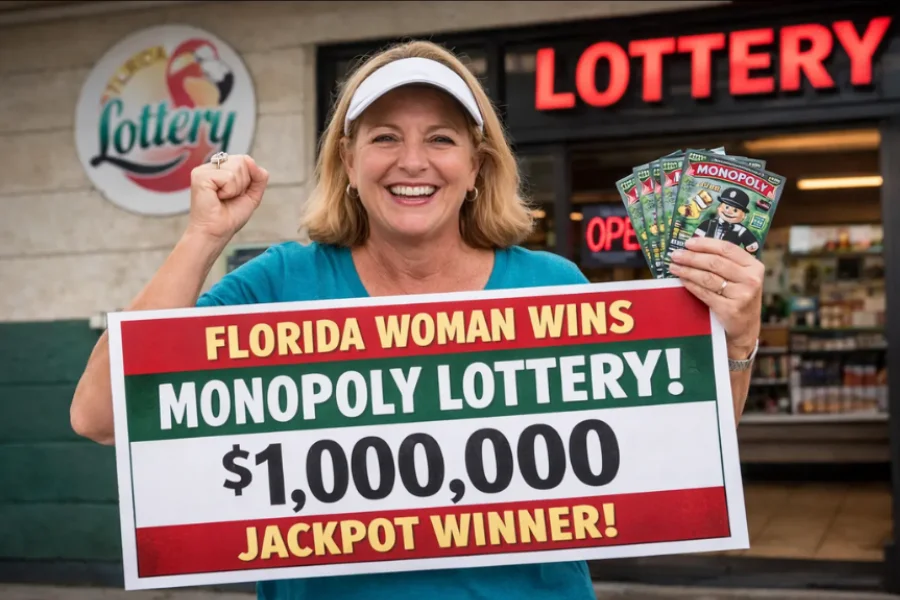
Ana Larsen’s story wasn’t the only headline grabbing attention. Around the same time, another woman in Florida experienced a similar moment of life-changing luck. Soignese Youte, a 54-year-old resident of Broward County, purchased a $5 MONOPOLY Doubler scratch-off ticket from Le Phare Food Market in North Miami Beach. Compared to Larsen’s ticket, this one was much cheaper. But it still held the possibility of a major prize.
When Youte scratched her ticket, she discovered she had won $1 million, one of the top prizes available in that particular game. Just like Larsen, she faced the choice between annuity payments and a lump sum. She chose the lump-sum option and received approximately $798,985 after taxes and adjustments. The store that sold the ticket also received a reward. Retailers often earn a commission for selling a winning ticket, and Le Phare Food Market received about $2,000 for its role in the win.
These back-to-back wins show how popular Monopoly-themed scratch-off games have become in Florida. When one major win is announced, it often sparks excitement across the state. Many players feel inspired to try their luck, hoping they might be the next person whose ordinary day turns extraordinary.
How Monopoly Scratch-Off Lottery Games Work
Scratch-off tickets come in many different designs, but Monopoly-themed games have become some of the most popular options in the Florida Lottery system. These tickets combine the excitement of lottery prizes with the familiar elements of one of the world’s most famous board games.
What Makes Monopoly Lottery Tickets Different
Most traditional scratch tickets follow a simple format. You scratch the surface and reveal numbers. If the numbers match the winning combination, you win a prize. Monopoly scratch-off tickets are a little different. They use the imagery and symbols from the classic board game to create a more interactive experience. Instead of simply matching numbers, players might reveal familiar items like Chance cards, Community Chest icons, or property spaces.
These symbols instantly remind players of the board game many people grew up playing with family and friends. That sense of familiarity makes the ticket feel more like a mini game rather than just a gambling product.
Marketing research often shows that nostalgia can strongly influence consumer behavior. According to Forbes marketing insights, familiar brands and childhood memories often increase engagement because people feel emotionally connected to them. In real life, this means a player may enjoy scratching a Monopoly ticket even if they don’t win. The experience itself feels entertaining and interactive.
Prize Structure and Ticket Prices
Monopoly lottery games usually come in several price levels. The most common ticket prices include $2, $5, $10, and $20. Higher-priced tickets usually offer bigger jackpots. For example, a $20 ticket might offer a $5 million prize, while a $5 ticket may offer a maximum prize of $1 million. This structure allows players to choose how much they want to spend and how large a prize they hope to win.
Winning combinations vary depending on the specific game. Players might win by matching numbers, revealing special symbols, or activating multiplier icons that increase the prize amount. Many games also include bonus areas where players can scratch additional sections to reveal extra rewards. Some even offer second-chance drawings where players can enter non-winning tickets online for another opportunity to win.
According to Search Engine Journal discussions on gamification in marketing, interactive experiences increase engagement and encourage repeat participation. Lottery games use this same concept by combining suspense, small wins, and the possibility of a major jackpot.
Why the Monopoly Theme Attracts Players
The Monopoly brand has been popular for generations. This familiarity makes the lottery version instantly appealing. People often enjoy experiences that remind them of childhood memories. Psychologists call this nostalgia, and it plays a powerful role in how we respond to entertainment products.
When players scratch a Monopoly ticket, they may feel like they are participating in a smaller version of the board game. Each symbol they reveal creates a sense of anticipation, similar to moving pieces around the board.
Compared with standard scratch tickets that only show numbers, Monopoly tickets feel more like an activity. They offer small moments of suspense as players reveal each symbol. In everyday life, this makes the experience more enjoyable. Even if the player doesn’t win money, the process still feels entertaining.
The Odds of Winning a Monopoly Lottery Jackpot
Winning millions from a scratch-off ticket sounds exciting, but it’s important to understand how rare these jackpots really are.
How Rare a Multi-Million Dollar Win Really Is
Lottery jackpots are designed to be extremely rare. In many Monopoly scratch-off games, the odds of winning the top prize can be around 1 in 3 million or more. To understand this, imagine a stadium filled with millions of people. Only one person might hold the winning ticket for the biggest prize.
Even smaller prizes have specific odds. While some players win a few dollars or a free ticket, the chances of hitting a multi-million-dollar jackpot are very low. Probability experts often explain that lottery games are completely random. According to Google Developers’ documentation on random probability systems, each outcome in a random system occurs independently. That means previous results have no effect on future outcomes.
In simple terms, buying more tickets doesn’t guarantee a win. Each ticket is simply another chance in a very large pool. However, the fact that someone eventually wins keeps people interested. Even though the odds are small, the possibility still exists.
Why People Still Play Despite the Odds
Even though the odds are extremely small, millions of people continue to buy lottery tickets every year. The reason isn’t complicated. People enjoy the excitement of possibility. They might picture paying off their home, traveling the world, or helping family members financially.
This imagination is part of the experience. Buying a ticket creates a moment where anything feels possible. Consumer behavior studies often highlight this emotional factor. HubSpot research on purchasing behavior explains that people often buy products not only for practical results but for the feelings those products create.
Lottery tickets provide a brief moment of hope and anticipation. Even if the player never wins, the excitement itself can feel enjoyable. Of course, financial experts always recommend treating the lottery as entertainment rather than a serious investment strategy.
What Happens After Someone Wins the Lottery
Winning a large lottery prize may seem simple, but the process after the win involves several important steps.
Verifying and Claiming the Winning Ticket
Before any money is awarded, the lottery must verify the ticket. This step ensures the prize is legitimate and prevents fraudulent claims. Winners usually visit a Florida Lottery office where officials scan the ticket and confirm the winning combination. They must also provide identification and complete official claim forms.
Many winners sign the back of their ticket immediately after discovering the prize. This helps prove ownership in case the ticket is lost or disputed. During the verification stage, officials check security features on the ticket and confirm that it was purchased within the valid time period. Only after these steps are completed does the prize claim become official. The process can take several days or even weeks, depending on the size of the prize and the required documentation.
Lump Sum vs. Annuity Payments

After the ticket is verified, winners must decide how they want to receive their money. The two main options are lump sum or annuity payments. A lump sum provides a single payment immediately, but the total amount is smaller than the advertised jackpot. This happens because annuity payments include future interest and extended payment schedules.
An annuity spreads the prize over many years, often 20 to 30. This option can provide long-term financial stability and reduce the risk of spending the money too quickly. Many winners choose the lump sum because they want immediate control over the money. However, financial planners often recommend careful evaluation before making the decision. According to Forbes financial planning advice, sudden wealth can create unexpected financial challenges if it isn’t managed properly.
Public Disclosure Rules in Florida
Florida has specific laws regarding lottery winners and public disclosure. In most cases, the winner’s name and prize amount become public information. This rule exists to maintain transparency and prove that real individuals are receiving the prizes. It helps prevent fraud and builds public trust in the lottery system.
However, public disclosure can create challenges for winners. Once the news becomes public, they may receive attention from media outlets, distant relatives, or even strangers asking for financial help. Because of this, many financial advisors recommend creating a plan before claiming the prize. Some winners establish trusts or legal structures to manage their assets and maintain privacy where possible. Taking these precautions helps protect both the winner’s financial future and personal well-being.
Life After a Big Lottery Win
Winning millions of dollars may sound like a dream, but adjusting to sudden wealth can be complicated.
Smart Financial Steps Many Winners Take
Financial experts usually recommend a few immediate steps after a large lottery win. First, many winners pay off outstanding debts. This might include mortgages, credit cards, or personal loans. Eliminating debt provides a strong financial foundation. Next, winners often build long-term investment plans. Instead of spending the money quickly, they place a portion into savings accounts, retirement funds, or diversified investments.
Professional guidance becomes especially important during this stage. Financial advisors, tax specialists, and lawyers can help structure the winnings to reduce taxes and protect assets. According to Forbes wealth management reports, individuals who seek professional advice early are more likely to maintain long-term financial stability after sudden wealth. Many winners also set aside funds for charitable donations or family support.
Emotional and Lifestyle Adjustments
While financial planning is important, emotional adjustments are equally significant. Sudden wealth can attract attention from friends, relatives, and the public. Some winners feel pressure to share their money or make large purchases immediately. To avoid stress, many winners keep their daily routines unchanged. They continue working, spending time with family, and maintaining normal habits.
Routine provides stability during a period of major change. It helps people stay grounded and avoid making impulsive decisions. Another important step is setting personal boundaries. Winners may decide carefully who they share the news with and how they respond to financial requests. By balancing excitement with caution, winners can enjoy their good fortune without letting it disrupt their lives.
The Ripple Effect of a Lottery Win
A major lottery win doesn’t affect only the winner. It can also influence local businesses, communities, and even public programs.
How Local Stores Benefit
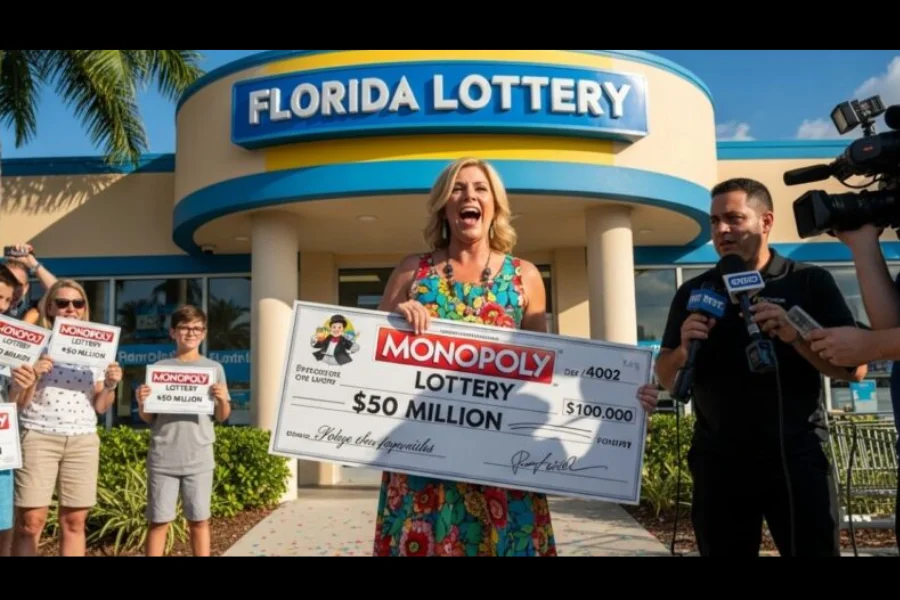
When a store sells a winning lottery ticket, it often receives a bonus commission from the lottery organization. For large jackpots, this commission can be several thousand dollars. Retailers also gain publicity because customers believe the store is “lucky.”
After a winning ticket is announced, many people visit the store hoping to buy tickets from the same location. This increase in foot traffic can boost sales of snacks, drinks, and other items as well. Small convenience stores and gas stations sometimes experience weeks of increased business after a big win is announced.
Community Excitement and Media Attention
Lottery wins often become community events. Local residents discuss the story with neighbors, and news outlets share updates about the winner and the location where the ticket was purchased. Social media spreads these stories quickly. People share headlines and discuss what they would do if they won the same prize.
The story becomes part of local conversation, adding excitement and curiosity to the community. Even individuals who rarely buy lottery tickets may feel inspired to try their luck after hearing about a nearby win.
How Lottery Revenue Supports Public Programs
While only a few players win jackpots, lottery systems generate significant revenue that supports public programs. In Florida, a large portion of lottery profits helps fund education initiatives and scholarships. Programs like the Bright Futures Scholarship rely partly on lottery contributions.
Since the Florida Lottery began in 1988, it has contributed tens of billions of dollars to education funding across the state. This means every ticket sold supports schools, scholarships, and student opportunities—even if the player doesn’t win.
Lessons Readers Can Take From These Stories
Lottery wins may be rare, but they still offer useful lessons for everyday readers.
Play the Lottery as Entertainment, Not Income
The lottery should always be treated as entertainment rather than a financial strategy. Buying a ticket can be fun because it creates excitement and imagination. However, it should never replace careful financial planning or stable income sources. Setting a small budget for lottery tickets helps ensure the activity remains enjoyable without creating financial stress.
Set Limits and Understand the Odds
Understanding the odds helps maintain realistic expectations. Multi-million-dollar jackpots are extremely rare, so players should avoid spending more money than they can comfortably afford. Setting clear limits keeps the experience positive and prevents disappointment or financial problems.
If You Ever Win, Take Time to Plan Carefully
If you ever find yourself holding a winning ticket, the most important step is patience. Take time to verify the ticket, consult professionals, and create a thoughtful financial plan before making major decisions. This careful approach helps protect both the money and your long-term well-being.
Final Words
A quick stop at a gas station rarely feels important. But for a few people in Florida, that simple moment turned into a life-changing event. Recent headlines about a Florida woman winning the Monopoly lottery show how an ordinary purchase can suddenly become extraordinary. One woman from Lake Worth won $5 million from a $20 Monopoly Secret Vault ticket, while another player from Broward County claimed $1 million from a $5 Monopoly Doubler game. Both bought their tickets during routine errands, which is why their stories feel so relatable.
Monopoly-themed scratch tickets attract players because they mix nostalgia with the thrill of potential rewards. While the jackpots can be huge, the odds of winning them remain extremely small. That’s why experts suggest treating lottery tickets as entertainment, not a financial plan.
If someone does win, careful planning becomes essential. Verifying the ticket, choosing between a lump sum or annuity, and seeking financial advice can make a big difference. In the end, these stories remind us that luck can appear in the most ordinary moments.
Thanks for reading! For more helpful tips and guides, visit iq writers.