


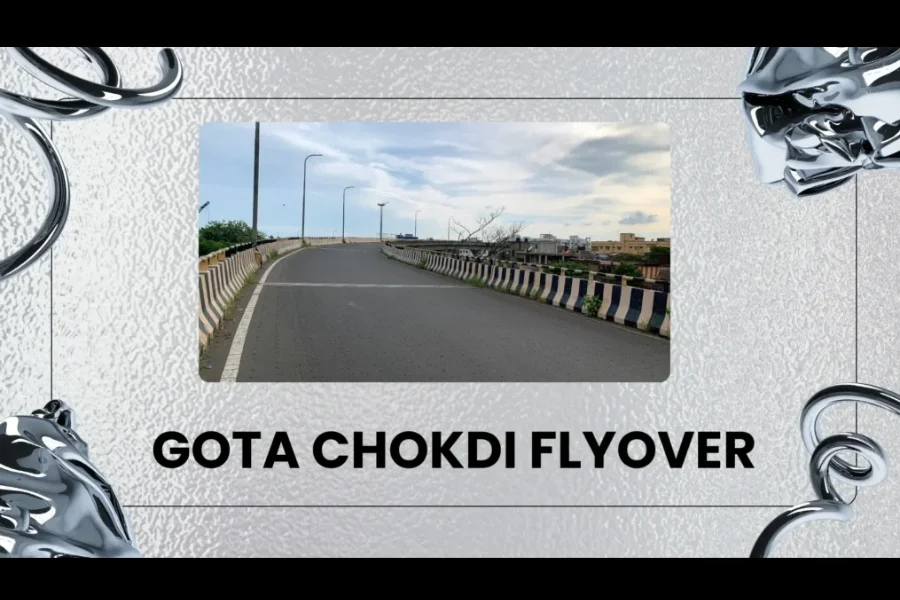
If you travel on SG Highway often, you already know how important smooth roads are. A single traffic signal can ruin your whole schedule. Before the Gota Chokdi Flyover, this was a daily problem for thousands of people. Long queues, endless waiting, and constant honking were part of the routine. It wasn’t just annoying. It affected work, fuel costs, and even your mood.
Now, things feel very different. You drive over the junction without stopping. The change feels simple, but the impact is huge. Instead of wasting time at signals, you keep moving. This saves minutes every day, which adds up to hours every month.
Here’s how this works in real life. Imagine leaving home for work. Earlier, you had to plan extra time just to cross this one junction. Now, you don’t think twice. You just drive through smoothly. That reduces stress before your day even begins.
Platforms like Forbes and HubSpot have highlighted how smoother roads improve both productivity and fuel efficiency. This flyover is a clear example of that idea in action. For everyday commuters, this is not just a road project. It’s a daily relief that makes life easier.
Where Is Gota Chokdi and Why Is It So Important?
Gota Chokdi is not just another junction on the map. It is one of the most important traffic points in Ahmedabad. It connects major roads, busy neighborhoods, and even routes leading outside the city. That’s why any change here affects thousands of people every day.
Connection between SG Highway and SP Ring Road
These are two of the busiest roads in Ahmedabad. SG Highway runs through the city and connects major commercial areas. SP Ring Road, on the other hand, helps traffic move around the city without entering crowded areas.
In real life, this means vehicles from different directions meet at this point. Office commuters, delivery trucks, buses, and long-distance vehicles all pass through here. Without proper management, this creates confusion and delays. This connection is important because it supports both local and through traffic. People traveling short distances and those heading out of the city use the same route. That’s what makes this junction so critical.
Gateway to Gandhinagar and North Gujarat
This junction is also the main route to Gandhinagar, the capital of Gujarat. Many people travel daily between Ahmedabad and Gandhinagar for work. Government employees, business owners, and students rely on this route.
It also connects to North Gujarat, which means heavy vehicles carrying goods pass through here. Trucks transporting materials and products use this route regularly. So, the traffic here is not just local. It includes long-distance and commercial movement as well. That increases the load on the junction.
Key areas it connects (Gota, Thaltej, Science City)
Gota Chokdi connects fast-growing areas like Gota, Thaltej, and Science City. New housing projects, offices, schools, and hospitals are coming up quickly.
For residents, this connection means easy access to daily needs. You can reach workplaces, schools, and shopping areas faster. This is why improving this junction was so important. It directly impacts how people live, travel, and work.
What Traffic Was Like Before the Flyover
Before the Gota Chokdi Flyover was built, this junction was one of the most stressful points on SG Highway. If you travelled through this route regularly, you probably remember how unpredictable it felt. Some days were manageable, but most days were not. Traffic would build up quickly, especially during office hours, and there was very little you could do about it.
The biggest issue was not just the number of vehicles, but how everything came together at one point. Local traffic, highway traffic, and heavy vehicles all shared the same space. This created confusion, delays, and constant stopping. Even a short distance could take much longer than expected.
In real life, this meant your entire schedule depended on this one junction. People often added extra travel time just to stay safe from delays. It wasn’t just about inconvenience. It affected productivity, fuel usage, and daily peace of mind.
Daily congestion and long signal waits

Traffic congestion at Gota Chokdi was a daily reality. During peak hours, vehicles would line up from all directions, creating long queues that stretched far beyond the junction. Cars, bikes, buses, and trucks all competed for space, making movement slow and frustrating. Even when the signal turned green, traffic often moved only a few meters before stopping again.
Waiting at the signal for 15 to 20 minutes was common, especially in the morning and evening rush. For many commuters, this delay became part of their daily routine. You could not rely on a fixed travel time because the congestion kept changing depending on the day and time.
Here’s how this looked in real life. If you had an important meeting or appointment, you had to leave much earlier than necessary. Even then, there was no guarantee you would arrive on time. This constant uncertainty made commuting stressful and tiring before the day even began.
Why the junction became a major bottleneck
The main reason Gota Chokdi turned into a bottleneck was poor traffic separation. All vehicles, whether they were traveling long distances or just moving locally, had to pass through the same intersection. There was no dedicated path for through traffic, which meant everything slowed down at the signal.
As Ahmedabad expanded, more people started using this route. New residential areas developed nearby, and commercial activity increased along SG Highway. This naturally brought more vehicles to the junction. However, the road design did not evolve at the same pace.
This created a mismatch between demand and capacity. Too many vehicles were trying to pass through a limited space, and the system could not handle it efficiently. Over time, even small increases in traffic led to major delays. In simple terms, the junction was doing more work than it was designed for, which is why congestion kept getting worse.
Limits of road widening and old solutions
To solve the problem, authorities first tried basic solutions like widening the roads and adjusting signal timings. While these changes offered temporary relief, they did not fix the root issue. Traffic kept increasing, and the same congestion returned within a short time.
Widening roads may sound like a simple fix, but it has limits. When more space is created, more vehicles tend to use the road. This eventually brings back the same level of congestion. Urban planning discussions, including insights shared on platforms like Search Engine Journal, often highlight this as a common challenge in growing cities.
In real life, this meant that even after improvements, commuters still faced delays. The system needed a smarter approach, not just a bigger one. That’s when planners realized the need for a flyover that could separate traffic and allow continuous movement. This shift in thinking led to a more long-term and effective solution.
How the Flyover Was Designed to Fix the Problem
The Gota Chokdi Flyover was not just built to add more road space. It was designed to solve a specific problem—constant traffic congestion at a busy junction. Instead of forcing all vehicles to stop at signals, the idea was to allow continuous movement for highway traffic while managing local traffic separately.
This approach is based on a simple concept. When different types of traffic are separated, everything moves more smoothly. Long-distance vehicles don’t need to slow down, and local traffic can move without pressure from faster vehicles. This reduces confusion and improves flow.
In real life, this design means you can now drive across the junction without stopping. You don’t have to deal with signal delays or crowded intersections. The entire experience feels more controlled and predictable. Urban planning experts often highlight that smarter road design works better than simply expanding roads. The flyover follows that principle by focusing on flow, safety, and efficiency instead of just size.
Multi-lane structure and smooth traffic flow

One of the most important features of the flyover is its multi-lane structure. Instead of a single narrow path, the flyover has enough lanes to handle a large number of vehicles at the same time. This reduces the chances of traffic building up, even during busy hours.
The extra lanes also allow faster vehicles to overtake slower ones safely. Without this flexibility, a single slow-moving vehicle can hold up an entire line of traffic. By giving drivers more space, the flyover keeps movement steady and balanced.
In real life, this creates a noticeable difference. You no longer feel stuck behind other vehicles with no option to move ahead. Traffic flows more naturally, and you spend less time waiting. This kind of design helps avoid the stop-and-go pattern that usually causes congestion. Instead, vehicles maintain a steady speed, which improves both travel time and driving comfort.
Gradual slopes for heavy vehicles
The slope of the flyover may seem like a small detail, but it plays a big role in traffic flow. The Gota Chokdi Flyover is designed with a gentle incline so that heavy vehicles like trucks and buses can move without slowing down too much.
If the slope were too steep, these vehicles would lose speed while climbing. This would create a chain reaction, forcing vehicles behind them to slow down as well. Over time, this could lead to congestion on the flyover itself.
In real life, this thoughtful design keeps traffic moving evenly. Even when large trucks are using the flyover, they do not disrupt the overall flow. Other vehicles can continue moving at a steady pace. This is a good example of how small engineering decisions can have a big impact. By considering the needs of all types of vehicles, the flyover ensures smoother and more reliable travel for everyone.
Service roads for local traffic
Another smart feature of the flyover is the use of service roads below it. These roads are designed for local traffic, such as people entering nearby neighborhoods, shops, or smaller streets. This keeps local vehicles separate from fast-moving highway traffic.
Without service roads, all vehicles would be forced to use the same path. This would slow down traffic and create confusion, especially at busy intersections. By separating these flows, the flyover reduces pressure on the main road.
In real life, this means you can choose the right path based on your destination. If you are traveling long distance, you can use the flyover. If you are staying within the area, you can use the service road. This separation makes driving safer and more organized. It also helps reduce unnecessary delays caused by vehicles merging or crossing paths.
Safety features (lighting, barriers, drainage)
The flyover is designed not just for speed, but also for safety. Proper lighting ensures clear visibility at night, making it easier for drivers to see the road and other vehicles. Safety barriers are installed along the sides to prevent vehicles from going off track. These barriers add an extra layer of protection, especially during high-speed travel. They also guide traffic and keep vehicles within their lanes.
Drainage systems are another important feature. During heavy rain, water can collect on roads and make driving dangerous. The flyover includes proper drainage to prevent waterlogging and keep the surface safe. In real life, these features make a big difference. You feel more confident driving, whether it’s at night or during the monsoon. Good design is not just about moving faster. It’s about reaching your destination safely.
How It Has Changed Daily Travel
The real impact of the Gota Chokdi Flyover is something you feel the moment you drive on it. It’s not just about infrastructure or planning. It’s about how your everyday journey becomes easier, faster, and less stressful. For people who use this route daily, the difference is clear.
Before the flyover, even a short stretch near the junction could take a long time to cross. Now, traffic moves without frequent stops, which makes the entire travel experience smoother. You don’t have to constantly adjust your speed, wait at signals, or deal with sudden congestion.
In real life, this means your day starts and ends on a better note. Whether you are going to work, picking up your kids, or heading out for errands, the journey feels more predictable. You can plan your time better because you know what to expect on the road. Small improvements like this often go unnoticed at first, but over time, they make a big difference in daily life. The flyover has turned a frustrating part of the commute into a smooth and manageable drive.
Faster Commutes
Reduced travel time during peak hours
One of the biggest benefits of the flyover is the time it saves. Earlier, crossing the Gota Chokdi junction during peak hours could easily take 10 to 15 minutes. Traffic signals, long queues, and slow movement made the process unpredictable and tiring. Now, vehicles can move continuously over the flyover without stopping. This reduces travel time to just a few minutes, even during busy hours. The difference may seem small at first, but it adds up quickly.
In real life, this means you don’t have to rush as much in the morning. You can leave home at a normal time and still reach your destination on schedule. It also helps you avoid the stress of being late for work or important meetings. Over a week, you save a noticeable amount of time. Over months, it becomes even more valuable. That extra time can be spent resting, working, or simply enjoying your day instead of sitting in traffic.
Less Stress While Driving
Smoother, signal-free movement
Driving through a busy junction can be exhausting, especially when you have to stop and start repeatedly. Before the flyover, navigating Gota Chokdi required patience and constant attention. Sudden stops, lane changes, and heavy traffic made the experience stressful.
With the flyover in place, the journey feels much smoother. You can drive at a steady speed without worrying about signals or sudden congestion. This makes the entire experience calmer and more controlled.
In real life, this means you arrive at your destination feeling less tired. Even if you have a long commute, the reduced stress makes a big difference. You don’t feel drained before your day even begins. For regular drivers, this improvement is very important. Less stress on the road leads to better focus, safer driving, and an overall better travel experience.
Fuel Savings and Lower Emissions
Fewer stops and better efficiency
When vehicles move smoothly without frequent stops, they use fuel more efficiently. Earlier, constant braking and accelerating at signals increased fuel consumption. This not only cost more money but also added to pollution levels.
With the flyover, vehicles can maintain a steady speed. This reduces unnecessary fuel usage and improves overall efficiency. Even small savings on each trip can add up over time. In real life, this means you spend less on fuel every month. For daily commuters, this is a practical and noticeable benefit. At the same time, fewer emissions mean cleaner air for everyone.
Insights from platforms like Forbes and HubSpot often highlight how smoother traffic flow helps reduce environmental impact. The Gota Chokdi Flyover follows the same principle by minimizing stop-and-go traffic. This makes the improvement not just personal, but also beneficial for the city as a whole.
Impact on Gota’s Growth and Real Estate
The Gota Chokdi Flyover has not only improved traffic flow but also changed how people view Gota as a place to live and invest. Infrastructure often shapes the future of an area, and this flyover is a strong example of that. When commuting becomes easier, people start looking at nearby locations in a new way.
Earlier, Gota felt slightly disconnected from the main parts of Ahmedabad. Travel delays made daily life harder, especially for working professionals. But once the flyover reduced travel time and improved access, the area became more practical for everyday living.
In real life, this shift means more families and professionals are now open to moving to Gota. They see it as a place where they can enjoy a quieter environment without losing access to the city. Better roads have made daily routines smoother and more predictable.
As highlighted in real estate discussions on platforms like HubSpot, improved connectivity often leads to higher demand and faster development. Gota is following that same pattern, where one infrastructure upgrade is driving long-term growth.
Why more people are choosing to live in Gota
One of the biggest changes after the flyover is the growing interest in Gota as a residential area. Earlier, many people avoided living here because of long travel times and heavy traffic at key junctions. Even if homes were affordable or spacious, the daily commute made it less appealing. Now, the situation has improved significantly. With smoother connectivity through the flyover, traveling to offices, schools, and commercial areas has become easier. This makes Gota a practical choice for families and working professionals alike.
In real life, this means you can enjoy a quieter and less crowded neighborhood while still staying connected to the city. You don’t have to sacrifice convenience for comfort anymore. This balance is what attracts many homebuyers today. As more people move in, the area continues to develop. New facilities, better services, and improved surroundings follow this growth. Over time, this creates a stronger and more self-sufficient community.
Rise in residential and commercial projects
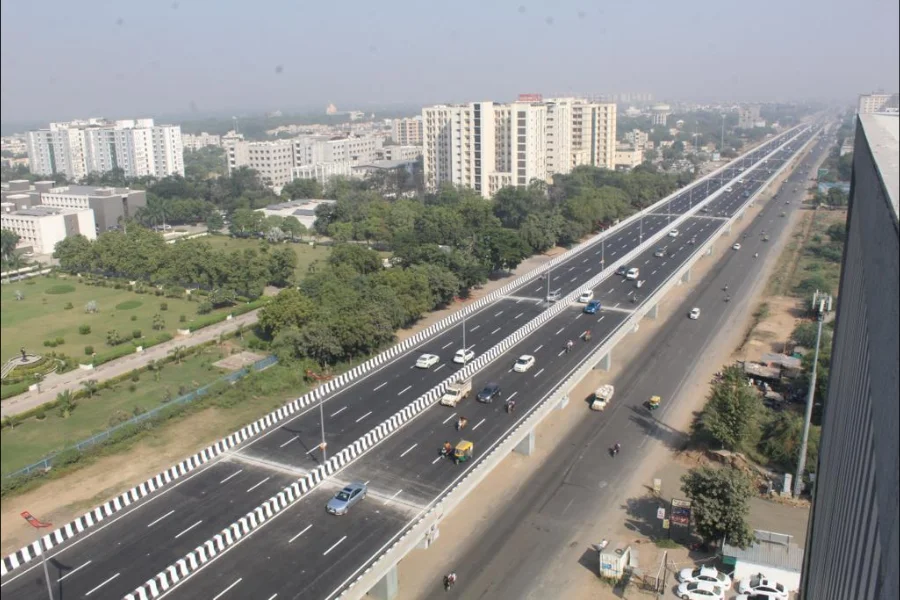
Better connectivity often encourages developers to invest in an area, and Gota is a clear example of this trend. Builders recognized that improved access would attract more buyers and businesses. Today, you can see new apartment complexes, office spaces, and retail outlets developing around the area. These projects are designed to meet the needs of a growing population. They offer modern amenities and better living conditions compared to older developments.
Property value trends and demand
As demand for housing in Gota increases, property values have started to rise steadily. This is a natural result of better connectivity and growing interest in the area. When travel becomes easier, more people are willing to invest in nearby locations. The Gota Chokdi Flyover has played a key role in this change. By reducing travel time and improving accessibility, it has made the area more desirable for both buyers and investors. Properties that were once overlooked are now gaining attention.
In real life, this means homeowners may see better returns on their investment over time. For new buyers, it signals that the area has strong growth potential. Locations with improving infrastructure often continue to appreciate in value. Real estate insights from platforms like HubSpot frequently highlight how connectivity impacts demand and pricing. Gota reflects this pattern clearly. Better roads don’t just improve travel—they increase the long-term value of the area.
Final Words
The Gota Chokdi Flyover shows how one smart change can improve everyday life in a city. What was once a frustrating traffic point has now become a smooth, fast-moving route that saves time, reduces stress, and makes daily travel more predictable. For you as a commuter, the biggest benefit is simple—you spend less time stuck and more time moving. That means reaching work on time, using less fuel, and feeling less tired during your journey.
But the impact doesn’t stop at traffic. Better connectivity has made Gota a more attractive place to live and invest. More people are moving in, new projects are developing, and the area continues to grow. In the end, this flyover is more than just a road. It’s a reminder that good infrastructure can make your daily routine easier, your city more efficient, and your future a little more connected.
IQ Writers helps you turn ideas into words that connect, inform, and inspire.