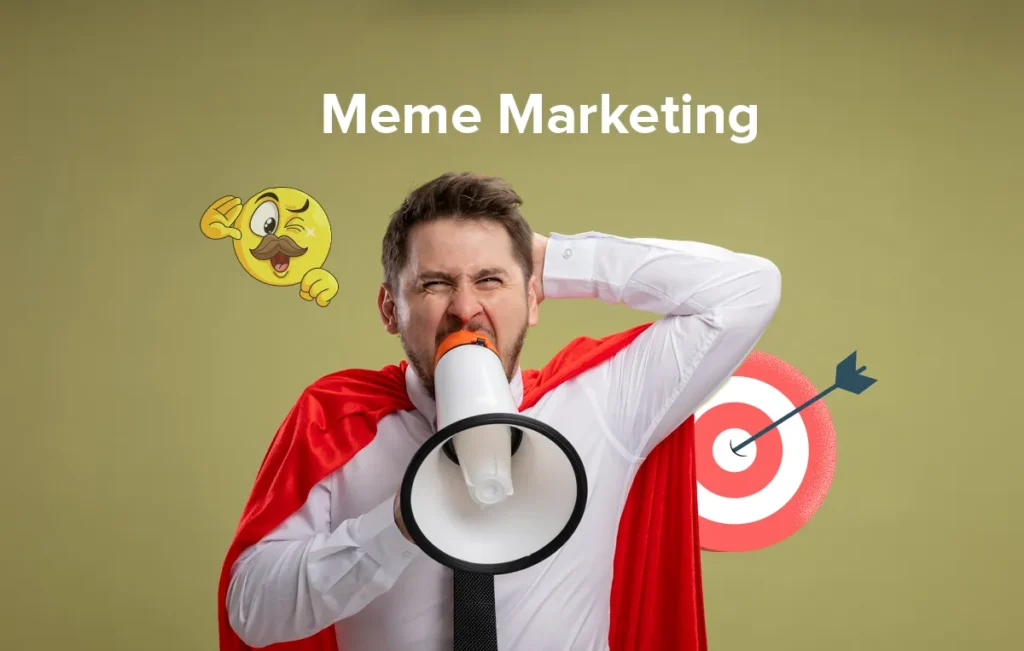

Scroll through any social media feed today, and you’ll notice one thing instantly—memes are everywhere. They’re fast, relatable, and often say more in a single image than a full paragraph ever could. What started as internet humor has evolved into a serious communication tool used by brands, creators, and everyday users alike.
But here’s the interesting part: memes aren’t just about making people laugh anymore. They’ve become a way to connect, simplify complex ideas, and even drive engagement in ways traditional content struggles to achieve. When done right, a meme can spark conversations, build community, and make your message stick.
Why Memes Work So Well
Memes tap into shared experiences. They reflect moments people instantly recognize—whether it’s workplace struggles, daily habits, or trending cultural references. That familiarity creates an emotional response, which is exactly what makes them so effective.
If you’re looking to get started, tools that let you easily create your own meme can simplify the process, even if you don’t have design experience. The easier it is to bring your idea to life, the faster you can join relevant conversations while they’re still fresh.
Another reason memes perform so well is their simplicity. In a world overloaded with content, people don’t always have the time—or patience—to read long posts. Memes deliver the message instantly. No friction, no overthinking.
Memes and Modern Marketing
Brands have caught on. What used to be considered “unprofessional” is now a core part of many marketing strategies.
Think about it: when was the last time you shared a corporate blog post with a friend? Now compare that to how often you’ve shared a meme. The difference is huge.
Memes help brands:
- Humanize their voice
- Stay relevant in fast-moving trends
- Increase shareability and reach
- Build a stronger emotional connection with their audience
Even industries that were once considered too serious—like finance or SaaS—are now experimenting with meme-based content to break down barriers and appear more approachable.
The Anatomy of a Good Meme
Not all memes are created equal. Some go viral, while others fall flat. The difference often comes down to a few key elements:
1. Relatability
A good meme makes people think, “That’s so me.” The more specific the experience, the more powerful the connection.
2. Timing
Memes are highly dependent on trends. Posting too late can make your content feel outdated. Staying aware of what’s trending is essential.
3. Simplicity
If someone has to think too hard to understand your meme, it won’t work. The best ones are instantly clear.
4. Authenticity
People can tell when a brand is trying too hard. Memes should feel natural, not forced into a marketing agenda.
Real-Life Example: Small Brand, Big Impact
A small e-commerce brand once struggled to gain traction despite running paid ads and publishing polished content. Then they tried something different—they started posting memes related to their niche.
Within weeks:
- Engagement doubled
- Shares increased dramatically
- Website traffic saw a noticeable boost
Why? Because the memes didn’t feel like marketing. They felt like conversation.
That’s the power of meeting your audience where they already are.
How to Use Memes Without Damaging Your Brand
While memes can be incredibly effective, they also come with risks if not handled carefully.
Stay On-Brand
Your humor should still reflect your identity. If your brand voice is professional, your memes can still be clever without being chaotic.
Avoid Sensitive Topics
Not every trend is worth jumping on. Stay away from controversial or potentially offensive subjects.
Know Your Audience
What works for Gen Z might not resonate with a corporate audience. Tailor your humor accordingly.
Don’t Overdo It
Memes are powerful—but only when used strategically. If everything you post is a meme, the impact fades.
Turning Ideas into Memes
You don’t need to be a comedian or a designer to create effective memes. Start by observing:
- What problems does your audience face daily?
- What frustrations do they talk about?
- What trends are currently circulating in your niche?
Then, connect those insights to simple visuals and short captions.
For example:
- A SaaS company might joke about endless login issues
- A fitness brand might highlight the struggle of staying consistent
- A freelancer might post about client feedback loops
The goal isn’t perfection—it’s connection.
Memes as a Long-Term Strategy
Memes aren’t just a short-term tactic. When used consistently, they can become a recognizable part of your brand identity.
Over time, your audience starts to expect—and look forward to—your content. That familiarity builds trust, which is ultimately what drives conversions.
And here’s the key: memes open the door. Once you’ve captured attention, you can guide users toward deeper content, products, or services.
Conclusion
Memes have come a long way from simple internet jokes. Today, they’re one of the most effective ways to communicate quickly, connect emotionally, and stand out in crowded digital spaces.
You don’t need a massive budget or a full creative team to get started. What you need is awareness, timing, and a genuine understanding of your audience.
At the end of the day, the brands that win aren’t just the ones that inform—they’re the ones that connect. And sometimes, all it takes is the right meme at the right moment to make that happen.