
Your topics | multiple stories: Imagine you have one idea that really excites you. Most people just share it once and move on. But what if you could explore that idea in several different ways, each story connected to the main theme? This approach helps your content feel richer, more engaging, and easier for readers to relate to. Instead of a single flat explanation, you give people multiple windows into the same topic, making it feel alive. For example, if your topic is “healthy habits,” you could share one story about a parent managing family meals, another about a teen learning to cook, and a third about someone building a workout routine from scratch. Each story is unique but tied together. This method works in blogs, social media, podcasts, and even email newsletters. You give readers more ways to connect, relate, and remember your message.
What “Your topics | multiple stories” Means
At its core, this approach is simple: pick one topic and tell multiple stories that all tie back to it. You don’t just repeat the same idea—each story explores a different angle or perspective. Think of it as looking at the same diamond from different sides. Each facet shines a little differently, but it’s all part of the same gem. This way, readers can find at least one story that resonates with their life, making your content feel personal and relatable.
Breaking one topic into connected narratives
Connected narratives start with a central idea, then branch out. Picture a tree: the trunk is your main topic, and each branch is a story that explores a specific angle. For instance, if your topic is “remote work,” one branch could show a designer working from home, another a parent managing kids and deadlines, and a third a manager leading virtual teams. Each branch is valuable on its own but together they give a fuller picture of the topic. Structuring stories this way keeps readers oriented and encourages them to explore more than one angle.
Why this approach works better than a single story
A single story often feels limited. It only shows one perspective, which may not connect with all readers. Multiple stories make your topic feel alive and relatable. Different readers can connect with different experiences, and this variety encourages discussion, sharing, and repeat visits. For example, one person might relate to your work-life balance story, while another is inspired by your meal prep tips. By giving multiple entry points, you increase the chance that everyone finds value in your content. Multiple stories don’t just inform—they create connections and engagement.
Why Using Multiple Stories Matters Today
People don’t read the way they used to. Most readers skim, scroll, or jump between tabs. Long, single-topic posts often lose their attention before the main point is even reached. Multiple stories solve this problem by breaking a topic into smaller, engaging pieces. Each story highlights a different angle, so readers can digest information more easily and find something they relate to. This variety keeps content lively and ensures it doesn’t feel repetitive or overwhelming. For example, if you’re writing about “travel tips,” instead of one long list, you could create three shorter stories: one about solo travel, one about family trips, and one about budget backpacking. Each story is complete on its own but contributes to a bigger picture, giving readers multiple ways to connect with the topic. This method also encourages readers to spend more time on your content, explore different stories, and retain information better. By presenting ideas in smaller, story-driven sections, you create a more dynamic reading experience that fits modern browsing habits.
How it matches modern readers’ attention spans
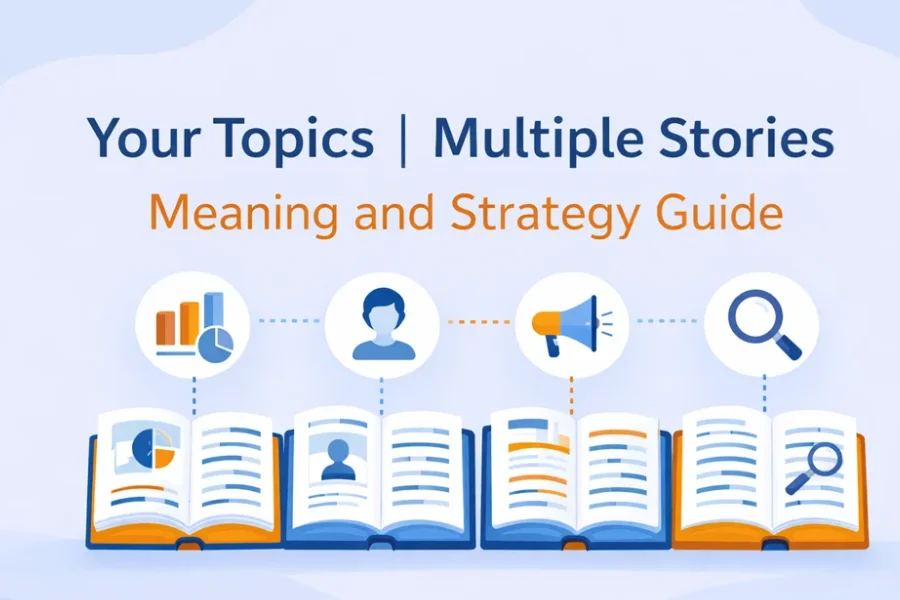
Modern readers crave variety. A single long-form article can feel heavy, and attention often drifts within the first few paragraphs. Multiple stories break down complex topics into smaller, digestible sections. Think of it like watching short clips instead of a three-hour documentary. For example, a single post on “healthy living” could be divided into three narratives: a parent juggling family meals, a college student learning to cook, and a young professional creating a workout routine. Each story provides actionable tips while staying part of the same overall topic. HubSpot research (2025) shows that content structured in shorter, story-driven segments keeps readers engaged longer and increases retention. Beyond attention span, this approach also supports different learning styles—some readers like practical examples, others prefer personal experiences or expert insights. By giving readers multiple entry points into the topic, you ensure they can connect in a way that works for them. Overall, this structure turns a simple topic into a multi-layered, enjoyable reading experience.
Encouraging engagement and community
Multiple stories invite participation. When readers see themselves reflected in at least one story, they are more likely to comment, share, or discuss their own experiences. For example, a blog about “healthy habits” could include stories about meal prep, fitness routines, and mental health practices. Readers might relate to one, two, or all three stories, sparking conversation in the comments. This builds a sense of community around your content. Engagement increases naturally because the content feels personal and inclusive. Furthermore, readers who feel part of a conversation are more likely to return and explore additional content. In practical terms, using multiple stories encourages deeper interaction and strengthens the bond between writer and audience. The more readers feel understood, the more invested they become, both emotionally and intellectually.
How Multiple Stories Boost Understanding and Depth
One story can inform, but multiple stories create understanding. By exploring a topic from several angles, you help readers see its nuances, real-world applications, and the context behind each idea. For instance, writing about “remote work” could include stories from a designer, a parent, and a manager. Each story sheds light on different challenges, strategies, and solutions. Readers get a broader view, which helps them apply insights to their own lives. This layered storytelling makes the topic feel alive rather than abstract. The variety of perspectives ensures the content resonates with more people, increasing the chances that someone will see a story that directly speaks to them. Multiple narratives also improve memory retention. When readers see a topic from several angles, the ideas reinforce each other, making them easier to recall.
Exploring different perspectives (cultural, professional, personal)
Every reader comes with a unique background. Including diverse perspectives ensures that a wider audience feels represented. For example, in a post about “work-life balance,” you might feature a story from a single professional, a working parent, and a freelancer. Each perspective highlights different obstacles and solutions. One reader might relate to scheduling challenges, another to setting boundaries, and another to remote collaboration tools. Diverse viewpoints also foster empathy, allowing readers to see challenges from angles they might not have considered. This makes your content richer, more realistic, and more compelling. In educational or corporate content, multiple perspectives can clarify complex topics, demonstrating how different people approach the same problem in varied ways. The result is deeper understanding and a more meaningful learning experience.
Turning one idea into a richer, layered experience
Multiple stories work like layers of a mosaic. Each story adds color, texture, and detail, revealing more than a single story ever could. For instance, a blog on “personal growth” might include stories about public speaking, learning a new skill, and adapting to career changes. Each story highlights different lessons while reinforcing the core idea. Readers understand not only what happens, but why it matters and how it can be applied to their own lives. This layering improves comprehension because the same idea is presented in multiple contexts. Layered storytelling also makes content more memorable. Readers retain lessons better when they are repeated in varied forms and relatable scenarios. By turning one concept into multiple interconnected stories, you give readers a richer, deeper, and more practical understanding.
Practical Benefits for Writers and Creators
Using multiple stories isn’t just beneficial for readers—it also helps writers create better content with less stress. When you explore one topic from several angles, you naturally generate more ideas without starting from scratch each time. Instead of scrambling for fresh topics every week, you can dig deeper into a single idea and discover new perspectives that keep your work interesting. This approach encourages creativity because you’re constantly looking for different ways to tell the same story. You may explore practical tips, personal anecdotes, expert insights, or even historical examples, all while staying connected to the main theme. It also gives your content a sense of completeness, which readers notice. Another practical benefit is efficiency. By reusing a core topic, you can tailor each story for different audiences—beginners, advanced learners, or casual readers—without spending hours researching new subjects. This method saves time while expanding your reach. Finally, covering multiple angles signals authority. Readers trust writers who explore a topic thoroughly and thoughtfully. Over time, this builds credibility, loyalty, and stronger engagement.
Sparking creativity from a single topic
One topic can lead to countless story ideas when you think in layers. For example, if your topic is “time management,” you could explore stories about morning routines, prioritizing tasks, using productivity apps, handling distractions, or coordinating teamwork. Each story addresses a different audience or need but revolves around the same core idea. This approach keeps your content fresh because you’re not repeating the same message. Creativity flows naturally as you look for unique ways to illustrate the topic. You might tell a story about a student juggling homework, a parent balancing work and kids, and a professional managing multiple deadlines. Each story resonates with a different reader while reinforcing your main point. By thinking in multiple stories rather than one flat article, you discover ideas you might never have considered, and your writing becomes richer, more engaging, and easier to produce consistently.
Saving time while reaching diverse audiences
Multiple stories also make content creation more efficient. Instead of creating a new topic from scratch for each article, you can reuse your research and insights across several pieces. This allows you to reach different audiences at the same time. For example, one story might appeal to parents learning to manage family schedules, another to students building study habits, and another to professionals seeking productivity strategies. Each story addresses the same theme but is tailored to a specific audience, expanding your reach without extra effort. This strategy is particularly useful for content marketers or educators who need to maintain a consistent publishing schedule. By creating multiple connected stories, you maximize the value of your work while minimizing the time spent on research and planning. Over time, this approach also allows you to build a library of related content that continues to attract readers and drive engagement.
Building authority and trust with readers
When you explore a topic from multiple angles, readers see that you’ve thought deeply about the subject. This builds authority because it shows expertise, not just surface-level knowledge. For instance, covering a topic like “healthy habits” through stories about meal prep, exercise, and mental wellness demonstrates that you understand the full picture. Readers are more likely to trust your advice and share it with others. Over time, consistent, thoughtful content builds credibility, encourages repeat visits, and establishes a loyal following. Forbes (2024) notes that thorough, well-structured content significantly increases trust and engagement. Multiple stories also make your content more shareable. People are more likely to pass along a story that resonates with them personally, which amplifies your reach. In short, multiple stories don’t just improve engagement—they establish your authority and help readers rely on your insights again and again.
Real-Life Examples of Multiple Stories in Action
Seeing multiple stories in action helps you understand why this approach works so well. The method isn’t limited to one type of content; it’s effective in personal writing, educational materials, and marketing alike. For instance, personal growth blogs often cover a single topic through several experiences. A post about “overcoming fear” could include a story about public speaking, another about learning a new skill, and a third about coping with personal loss. Each story connects to the central theme while reaching different readers. This variety increases the chance that someone will find a story that resonates with their own life, making the content more engaging and relatable.
In education, multiple stories help students understand complex subjects. History lessons, for example, can include letters from soldiers, diaries from civilians, and accounts from leaders. Each perspective provides different insights, showing the topic from multiple angles. Students learn not just facts, but how experiences and viewpoints shape outcomes. This layered approach turns learning into a connected, memorable experience.
Brands and marketing also benefit from multiple stories. Each story adds value while reinforcing the brand’s message. This layered storytelling builds trust, engages the audience, and strengthens loyalty. Multiple stories make content dynamic, relatable, and actionable, regardless of the context.
How to Plan and Structure Your Stories
Planning is key to ensuring multiple stories feel connected rather than scattered. Without a clear structure, stories can feel random or confusing. Start by selecting a core topic that is meaningful to you and relevant to your audience. A strong central theme provides a foundation for all your stories and ensures they reinforce each other instead of drifting. Good topics solve problems, answer questions, or inspire action, making them easier for readers to engage with and remember.
Choosing a core topic
Pick a topic that matters both to you and your readers. For example, “time management,” “healthy habits,” or “remote work” are broad enough to explore multiple angles but focused enough to maintain cohesion. The core topic acts like the trunk of a tree, while each story becomes a branch. This clarity keeps your content organized and allows you to develop multiple narratives without confusing readers. A clear topic also ensures each story contributes to the overall message, making the content feel coherent.
Creating different story angles
Identify 3–5 story angles that explore different facets of the topic. Angles can include beginner tips, expert advice, personal anecdotes, case studies, or comparisons. For example, a post about “remote work” could include stories of a designer working from home, a parent juggling family duties, and a manager coordinating virtual teams. Each angle brings something new to the table while reinforcing the main idea. This approach ensures that multiple types of readers find at least one story relevant to their experience.
Keeping stories connected
Even with multiple angles, your stories should feel part of the same narrative. Use recurring themes, framing questions, or transitions to tie them together. For instance, you might open each story with a question or reflection that links back to your main topic. This connection makes it easy for readers to follow the flow and understand how each story contributes to the bigger picture. A cohesive structure also helps readers retain information because it emphasizes relationships between ideas instead of isolated points.
Arranging stories for clear flow
Finally, sequence your stories logically. Start with simple concepts, then layer in complexity or contrasting perspectives. Test different orders to see which sequence feels most natural. For example, in a personal growth article, you might begin with beginner-level challenges before introducing more complex stories about overcoming major life obstacles. A smooth flow keeps readers engaged and prevents confusion. By planning the order thoughtfully, you ensure that each story builds on the last, creating a satisfying, connected reading experience.
Common Challenges and How to Solve Them
Even when using multiple stories, writers often face challenges. The good news is that most of these issues can be solved with awareness and planning. One common problem is repetition. It’s easy to accidentally cover the same idea in more than one story, which makes the content feel stale. To avoid this, review each story carefully before publishing. Ask yourself: does this angle add something new? Even small differences—like focusing on a different audience, example, or context—can make a story feel fresh. Another challenge is balancing depth. Some stories naturally lend themselves to longer explanations, while others might be short and anecdotal. It’s important to balance this so readers don’t feel bored or overwhelmed. Mixing longer, detailed stories with shorter, punchy ones keeps the content dynamic and engaging. Finally, the order of your stories matters. Presenting stories in a random sequence can confuse readers. Test different arrangements and ask colleagues or friends for feedback. They may notice gaps, unclear transitions, or missing context that you missed. By planning ahead, you ensure your content flows smoothly and keeps readers interested.
Avoiding repeated ideas
One of the most common pitfalls when creating multiple stories is unintentional repetition. Readers notice when content feels recycled, which can reduce engagement. To prevent this, outline your stories before writing. Note what each one focuses on and ensure it covers a unique angle. For instance, if your topic is “time management,” one story could focus on morning routines, another on prioritizing tasks, and a third on overcoming distractions. Even if there’s overlap, each story should offer new insights, examples, or practical tips. Using tools like Notion, Trello, or even a simple spreadsheet can help you track each story’s focus, making it easier to spot duplicates. Revisiting your outline after drafting also helps. Ask yourself: “Does this story bring something new to the table?” Small tweaks, like changing the audience or context, can make a story feel completely fresh and engaging.
Balancing depth across narratives
Not all stories naturally require the same amount of detail. Some stories may involve complex explanations, while others are short, practical anecdotes. A balanced approach is key to keeping readers engaged. For example, in a blog about “healthy habits,” a story about meal prep might require step-by-step guidance, while a story about a personal fitness journey could be shorter and motivational. Alternating between longer and shorter stories prevents reader fatigue and ensures all stories feel valuable. You can also break longer stories into subsections or sidebars for readability. The goal is for each story to feel complete without overshadowing the others. Keeping this balance in mind makes your content feel professional and thoughtfully designed while maintaining the natural flow that keeps readers engaged.
Testing story order for reader flow
The sequence of your stories impacts comprehension and engagement. Even strong stories can lose impact if the order is confusing. Experiment with different arrangements to see what feels most natural. A good strategy is to start with simple or relatable stories and gradually introduce more complex ideas. You can also test transitions between stories to ensure readers understand how each one connects to the main topic. Getting feedback from friends, colleagues, or early readers is invaluable. They may notice unclear jumps or missing context that you didn’t catch. Adjusting the order based on this feedback improves understanding and ensures that readers retain information. Thoughtful sequencing also makes your content feel like a guided journey rather than a set of disconnected stories.
Getting Started with Your Topics Multiple Stories
Starting with multiple stories doesn’t have to feel overwhelming. The key is to begin small and build momentum as you go. Focus on one core topic you know well and are passionate about. This gives you a foundation to create 3–5 related stories without feeling lost. Don’t worry about perfection at first. The priority is to get your ideas down and ensure each story connects to the main theme. Over time, you can refine, expand, and reorganize them. Using practical tools can simplify the process. Outlines, sticky notes, or digital apps like Notion and Trello allow you to map each story and its connection to the central topic. This helps you see gaps, track ideas, and ensure stories don’t overlap. A visual structure also makes it easier to plan the order in which readers will experience your content, creating a smooth flow from one story to the next.
Quick tips for first-time creators
If you’re new to this approach, start with a topic you know deeply. Brainstorm 3–5 story angles that explore different perspectives or practical applications. For example, if your topic is “work-life balance,” you could tell a story about a parent managing a busy schedule, a professional working remotely, and a student learning to prioritize tasks. Don’t get hung up on perfect writing at this stage. Focus on making connections between the stories so they reinforce the central topic. Write each story in small, manageable chunks, and remember that readers can explore at their own pace. The goal is to provide multiple points of entry into the topic, increasing engagement and understanding.
Tools and approaches to simplify the process
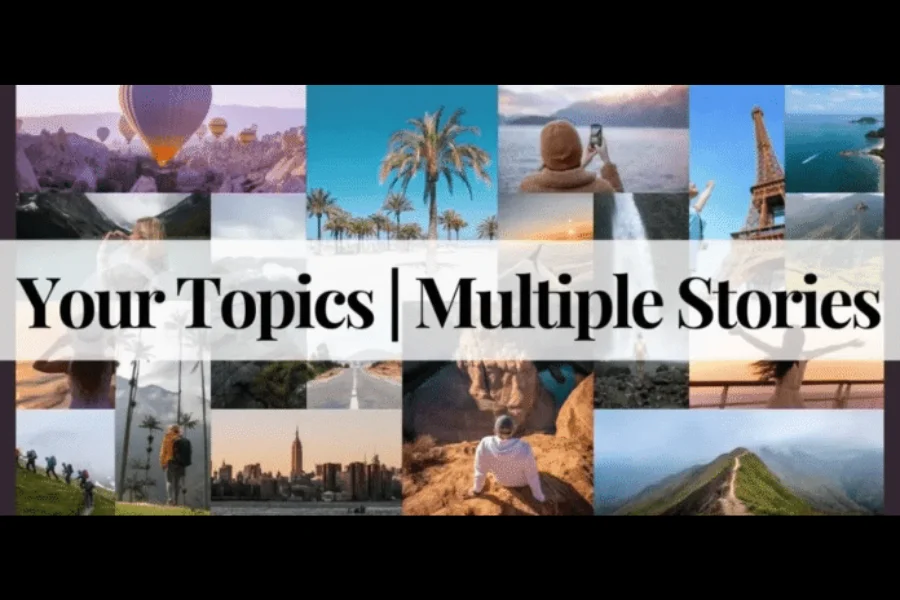
Several tools can make organizing multiple stories easier. Digital apps like Notion or Trello allow you to create boards or cards for each story, showing how they connect to the main topic. Outlines in Word or Google Docs work as well, especially if you include notes about story length, audience, and key points. Sticky notes on a wall can also be surprisingly effective for visual thinkers. These tools help you see the big picture and ensure that each story adds something new. You can adjust the order, merge stories, or add transitions without losing track of the overall plan. A clear organization prevents content from feeling scattered, making the writing and editing process more efficient.
Encouraging readers to explore multiple angles
Once your stories are live, help readers navigate them. Invite exploration by linking related stories, suggesting questions, or pointing out different perspectives. For example, in a post about “healthy habits,” you could include prompts like, “Check out how others manage family meals,” or “See how students stay active on campus.” Giving readers multiple entry points encourages deeper engagement and ensures they see the full scope of your topic. This approach makes your content interactive and dynamic. People are more likely to return, share your content, and reflect on what they’ve read when they feel invited to explore different angles.
Final Words
Imagine you have one idea that excites you. Instead of sharing it once and moving on, you can explore it through multiple connected stories. That’s the essence of “Your Topics Multiple Stories.” Each story highlights a different angle, letting readers see the same idea in new ways. For example, a post on “healthy habits” could follow a parent managing family meals, a teen learning to cook, and someone building a workout routine. Each story is unique but tied to the main theme, making the content richer, relatable, and easier to remember.
This approach works especially well today, when readers skim and scroll quickly. Breaking your topic into smaller stories keeps attention, encourages engagement, and helps readers connect personally. Multiple stories also let you explore different perspectives, spark creativity, and build trust. With thoughtful planning and clear connections, one idea can turn into a layered, engaging experience that informs, inspires, and resonates with a wide audience.
IQ Writers helps you turn ideas into words that connect, inform, and inspire.